






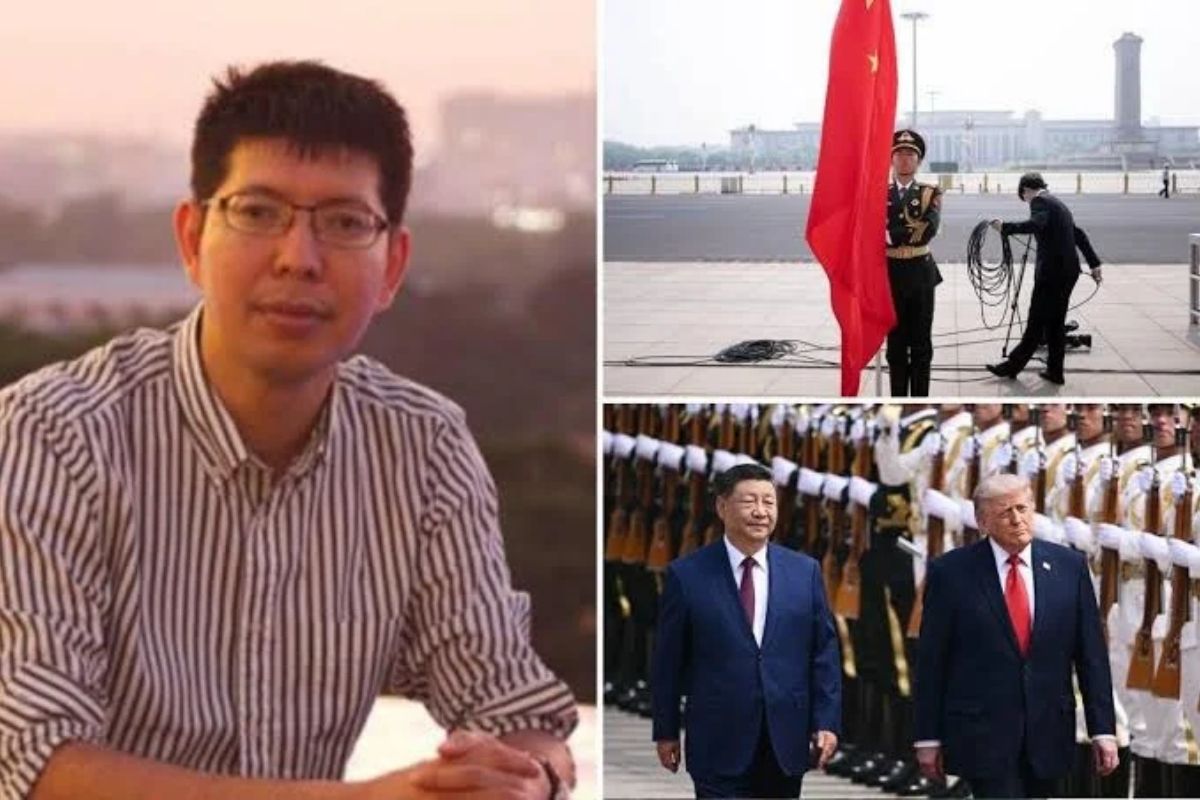
Following the Min Zin arrest in China, U.S. universities are suspending faculty travel approvals and rewriting risk-management protocols. Because Zin was detained immediately after accepting an official state invitation, academic institutions are now treating previously cleared, government-sanctioned research trips as high-risk liabilities.
Why Are Universities Revoking China Travel Approvals?
U.S. universities are systematically revoking pending travel approvals for faculty to visit China to prioritize physical security over institutional partnerships. Risk-management teams are overriding itineraries that administrators authorized just months ago.
Administrators are canceling flights and pulling funding for pending trips.
How Did the Min Zin Arrest Alter Institutional Risks?
Unlike standard geopolitical disputes, this detention occurred immediately after the American scholar accepted an official state invitation, prompting universities to treat government-sponsored events as potential security traps. The specific mechanics of the arrest explain the rapid administrative response.
Zin traveled to Yunnan province to attend a June 3 conference. President Donald Trump recently raised Zin’s case during bilateral meetings with Chinese President Xi Jinping.
The Chinese Ministry of Foreign Affairs, the state body managing China’s international relations, states that Zin was arrested strictly on suspicion of espionage and endangering national security under Chinese law. Ministry spokespeople assert this is an individual criminal investigation and that normal, lawful academic exchanges remain highly encouraged by Beijing.
How Are US-China Academic Exchanges Changing?
The tactic of arresting an officially invited academic upon arrival forces universities to rewrite their safety protocols for all future invitations. Administrators can no longer rely on official visas or institutional host guarantees to measure a faculty member’s physical security.
Universities historically classified government-sponsored academic conferences as low-risk engagements. New internal guidelines shift the baseline assessment from caution to outright prohibition for scholars traveling to China to study geopolitics or regional security.
What Research Is Lost When Scholars Stop Traveling to China?
These immediate administrative freezes are creating blind spots in American data collection. Key field research programs regarding Chinese foreign policy and Myanmar border relations are being quietly halted due to the revised university travel protocols.
Without physical access to border regions or domestic archives, U.S. institutions are losing their primary mechanisms for verifying economic data and regional policy shifts.
Frequently Asked Questions
Why are US universities suspending travel to China?
Following the Min Zin arrest, university risk-management teams are canceling pending flights and pulling funding for faculty. Institutions now view government-sanctioned research trips as high-risk liabilities.
How did Min Zin travel to China?
Min Zin traveled to Yunnan province to attend a June 3 conference after receiving a formal state invitation. He was arrested immediately upon arrival on Chinese espionage charges.
What is the Chinese government’s official stance on the arrest?
The Chinese Ministry of Foreign Affairs asserts that the arrest is a localized criminal investigation concerning national security. Ministry spokespeople maintain that lawful academic exchanges are still encouraged.
Min Zin Arrest Freezes US-China Academic Travel
Following the Min Zin arrest in China, U.S. universities are suspending faculty travel approvals and rewriting risk-management protocols. Because Zin was detained immediately after accepting an official state invitation, academic institutions are now treating previously cleared, government-sanctioned research trips as high-risk liabilities.
Why Are Universities Revoking China Travel Approvals?
U.S. universities are systematically revoking pending travel approvals for faculty to visit China to prioritize physical security over institutional partnerships. Risk-management teams are overriding itineraries that administrators authorized just months ago.
Administrators are canceling flights and pulling funding for pending trips.
How Did the Min Zin Arrest Alter Institutional Risks?
Unlike standard geopolitical disputes, this detention occurred immediately after the American scholar accepted an official state invitation, prompting universities to treat government-sponsored events as potential security traps. The specific mechanics of the arrest explain the rapid administrative response.
Zin traveled to Yunnan province to attend a June 3 conference. President Donald Trump recently raised Zin’s case during bilateral meetings with Chinese President Xi Jinping.
The Chinese Ministry of Foreign Affairs, the state body managing China’s international relations, states that Zin was arrested strictly on suspicion of espionage and endangering national security under Chinese law. Ministry spokespeople assert this is an individual criminal investigation and that normal, lawful academic exchanges remain highly encouraged by Beijing.
How Are US-China Academic Exchanges Changing?
The tactic of arresting an officially invited academic upon arrival forces universities to rewrite their safety protocols for all future invitations. Administrators can no longer rely on official visas or institutional host guarantees to measure a faculty member’s physical security.
Universities historically classified government-sponsored academic conferences as low-risk engagements. New internal guidelines shift the baseline assessment from caution to outright prohibition for scholars traveling to China to study geopolitics or regional security.
What Research Is Lost When Scholars Stop Traveling to China?
These immediate administrative freezes are creating blindspots in American data collection. Key field research programs regarding Chinese foreign policy and Myanmar border relations are being quietly halted due to the revised university travel protocols.
Without physical access to border regions or domestic archives, U.S. institutions are losing their primary mechanisms for verifying economic data and regional policy shifts.
Frequently Asked Questions
Why are US universities suspending travel to China?
Following the Min Zin arrest, university risk-management teams are canceling pending flights and pulling funding for faculty. Institutions now view government-sanctioned research trips as high-risk liabilities.
How did Min Zin travel to China?
Min Zin traveled to Yunnan province to attend a June 3 conference after receiving a formal state invitation. He was arrested immediately upon arrival on Chinese espionage charges.
What is the Chinese government’s official stance on the arrest?
The Chinese Ministry of Foreign Affairs asserts that the arrest is a localized criminal investigation concerning national security. Ministry spokespeople maintain that lawful academic exchanges are still encouraged.