






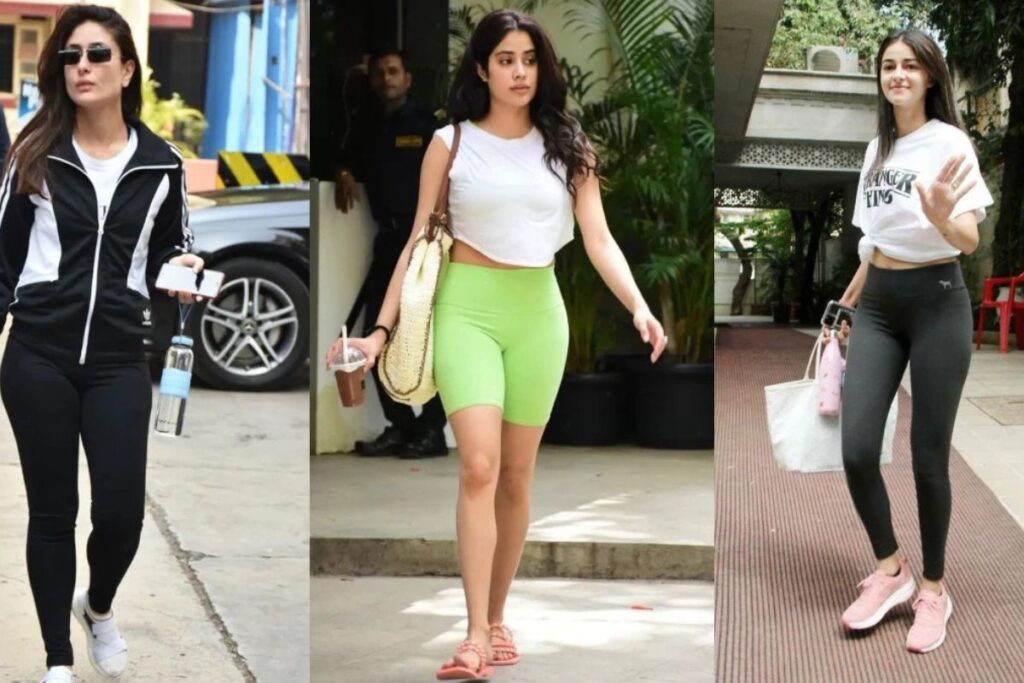
Despite the ubiquitous “Made in India” marketing championed by domestic direct-to-consumer (D2C) athleisure and activewear brands, the technical fabrics powering India’s fitness apparel boom do not originate from domestic mills. While Tirupur, Surat, and Ludhiana handle the cut-and-sew garment assembly, the high-performance moisture-wicking polyester, polyamide, and elastane (spandex) textiles are overwhelmingly imported from specialized synthetic extrusion ecosystems in mainland China and Taiwan.
Customs Data: The Synthetic Import Discrepancy
According to import analysis compiled from the Ministry of Commerce & Industry Trade Portal, Indian imports of synthetic filament fabrics classified under Harmonized System (HS) Code 5407 exceeded $290 million in recent cycles. A deeper examination of supply chain manifests reveals that mainland China accounts for over 43% of total synthetic fabric and filament imports entering Indian ports.
Trade intelligence published by the Confederation of Indian Textile Industry (CITI) underscores a persistent structural imbalance: while India remains a global powerhouse in cotton spinning and raw fiber exports, its technical textile infrastructure lags substantially in man-made fiber (MMF) polymerization and continuous filament extrusion.
Why India’s Textile Hubs Cannot Match Chinese Synthetic Extrusion
The global activewear market relies on engineered polymer textiles designed for mechanical stretch, hydrophobic moisture management, anti-microbial finishes, and micro-denier softness. Producing these fabrics requires fundamentally different capital equipment and chemical infrastructure compared to traditional cotton ginning and ring spinning:
- High-CapEx Polymerization & Melt-Spinning: Extruding micro-denier polyester (below 1 denier per filament) and inter-looping it with elastane demands specialized high-speed multi-extrusion lines. Chinese industrial zones in Zhejiang and Jiangsu feature vertically integrated clusters where purified terephthalic acid (PTA) and monoethylene glycol (MEG) are synthesized into chips, spun into yarn, knitted on 28-to-36 gauge circular knitting machines, and dyed under pressurized airflow dyeing in continuous operations.
- The Inverted Duty Structure: Until recent tariff adjustments, domestic Indian synthetic fiber producers faced an inverted duty structure on PTA, MEG, and specialized elastane inputs, rendering domestically produced performance yarn up to 15–20% more expensive than imported finished fabric rolls.
- Finishing Chemical Formulations: Moisture management relies on hydrophilic chemical finishes (such as moisture-wicking chemical dips and brushing treatments) that maintain laundering durability past 50 wash cycles. Domestic dye houses in Tamil Nadu and Gujarat predominantly specialize in natural cotton reactivity rather than synthetic chemical curing.
Traditional Cotton vs. Technical Activewear: Manufacturing Matrix
| Process Dimension | Traditional Cotton Spinning (Tirupur) | Performance Synthetic Extrusion (China/Taiwan) |
|---|---|---|
| Raw Material Origin | Agricultural cotton bolls | Petrochemical polymer chips (PTA / MEG / Nylon-6,6) |
| Processing Machinery | Blowrooms, carding, draw frames, ring frames | Chemical melt extruders, quenching chambers, draw texturizers |
| Knitting Gauge | 18 to 24 gauge single jersey | 28 to 36 gauge interlock / high-density circular knit |
| Functional Finish | Enzyme wash, silicon softening | Hydrophilic wicking chemistry, anti-odor silver ion bonding |
| Domestic Self-Sufficiency | High (over 95% domestic value-add) | Low (under 20% domestic value-add; primarily assembly) |
The D2C Athleisure Playbook: Cut-and-Sew Assembly
To navigate this technological divide, Indian D2C activewear brands operate an asset-light assembly model. Bulk textile importers and aggregators purchase master rolls of nylon-spandex interlock (typically 75% nylon, 25% spandex in 220–280 GSM weights) from East Asian textile mills. These rolls are cleared through Nhava Sheva or Chennai ports and distributed to contract apparel manufacturing facilities across Bengaluru, Noida, and Ludhiana.
At these domestic factories, Indian workers execute pattern laser-cutting, flatlock stitching, heat-transfer branding, and packaging. While this creates vital domestic employment in apparel construction and logistics, the core intellectual property, high-margin chemical synthesis, and technical material value remain captured overseas.
Supply Chain Vulnerabilities and the PLI Policy Push
This structural dependency leaves India’s ₹16,000+ crore activewear sector uniquely exposed to geopolitical tensions, freight volatility, and exchange rate fluctuations. In response, the Government of India launched the Production Linked Incentive (PLI) Scheme for Technical Textiles and MMF Apparel, allocating over ₹10,683 crore to subsidize greenfield extrusion and specialized knitting capacities.
For broader strategic context on how tariff shifts, export dynamics, and government trade interventions are reshaping the Indian apparel sector, examine our analysis of how U.S. tariffs and domestic duty relief impact Indian textile competitiveness and the macroeconomic effects of delayed payments across Indian MSME supply chains.
Frequently Asked Questions
Can Indian activewear be legally labeled “Made in India” if the fabric is imported?
Yes. Under international Rules of Origin (RoO) and Directorate General of Foreign Trade (DGFT) guidelines, substantial transformation occurs during the garmenting process. Converting raw fabric rolls into a finished, wearable apparel piece through cutting, stitching, and finishing fulfills domestic manufacturing classification criteria.
Why doesn’t Surat supply high-end activewear fabric?
Surat produces massive volumes of polyester and synthetic textiles, but its mills are overwhelmingly optimized for traditional apparel fabrics (such as synthetic sarees, dress materials, and low-gauge crepe). Producing high-compression, buttery-soft activewear nylon/spandex requires specialized fine-gauge circular machinery and clean-room finishing standards that most legacy Surat power looms are not configured to deliver.
What technical specifications define export-grade athleisure fabrics?
Premium athleisure garments depend on strict filament and yarn parameters. Standard workout leggings require a weight between 220 and 280 GSM (grams per square meter) using a 75/25 or 80/20 Nylon-6,6 to spandex blend, processed on 32-gauge double-knit interlock machines. In contrast, running tops utilize lightweight 130 to 160 GSM moisture-wicking micro-polyester (often 50-denier / 72-filament yarn) with permanent mechanical wicking cross-sections rather than topical chemical finishes that wash out. Additionally, global brands mandate OEKO-TEX Standard 100 and Global Recycled Standard (GRS) certifications to ensure chemical safety and authentic recycled bottle flake provenance.