






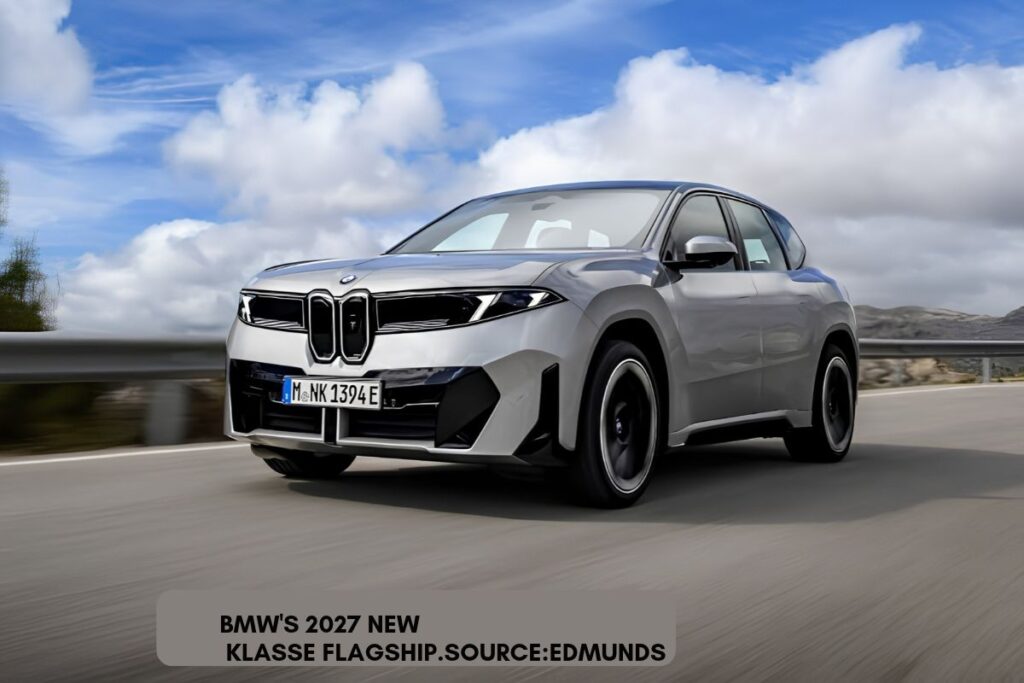
Automakers are pivoting to extended-range electric vehicles in 2027 because new fleet-emissions rules grant them the exact same maximum compliance credit as pure battery-electric cars. Selling an extended-range electric vehicle lets manufacturers offset high-margin petrol SUVs, halve battery pack costs, keep paid-off engine plants running, and protect dealership service-bay revenue.
How Does the 3x Super-Credit Drive the 2027 EREV Wave?
Under India’s Corporate Average Fuel Efficiency (CAFE 3) norms, a federal fuel-economy and carbon-cap framework taking effect on April 1, 2027, every extended-range electric vehicle sold earns the exact same 3.0x fleet credit multiplier as a zero-tailpipe car. According to the Ministry of Power’s CAFE 3 framework, regulators place both pure battery-electric vehicles (BEVs) and range-extender models in the top compliance tier.
That multiplier creates a sharp gap across hybrid categories:
- Pure BEVs and EREVs: 3.0x fleet credit multiplier
- Plug-in hybrids (PHEVs) and flex-fuel strong hybrids: 2.5x fleet credit multiplier
- Strong hybrids: 1.6x fleet credit multiplier
- Flex-fuel ethanol vehicles: 1.1x fleet credit multiplier
Each EREV counts as three vehicles in an automaker’s fleet compliance tally, 20% more weight than a standard plug-in hybrid and nearly double that of a strong hybrid. That extra credit pulls down a manufacturer’s corporate-average fuel consumption figure, offsetting high-margin petrol and diesel SUVs that would otherwise breach the fleet carbon ceiling.
Missing that ceiling triggers direct financial penalties. Under the Bureau of Energy Efficiency (BEE) carbon credit schedule, automakers falling short of their annual target must purchase compliance credits starting at ₹2,500 per gram of CO₂ per kilometer in fiscal year 2027–28, rising by ₹500 each year to ₹4,500 in fiscal year 2031–32. For a manufacturer selling 100,000 vehicles at 5 g CO₂/km above its target in FY28, that shortfall equals a ₹125 crore compliance bill. As reporting on CAFE 3 industry lobbying notes, several automakers have pushed to elevate conventional plug-in hybrids from 2.5x to the 3.0x tier, though the Ministry of Power has kept the notified multipliers unchanged.
What Is an EREV and Why Do Regulators Treat It Like a Pure EV?
.
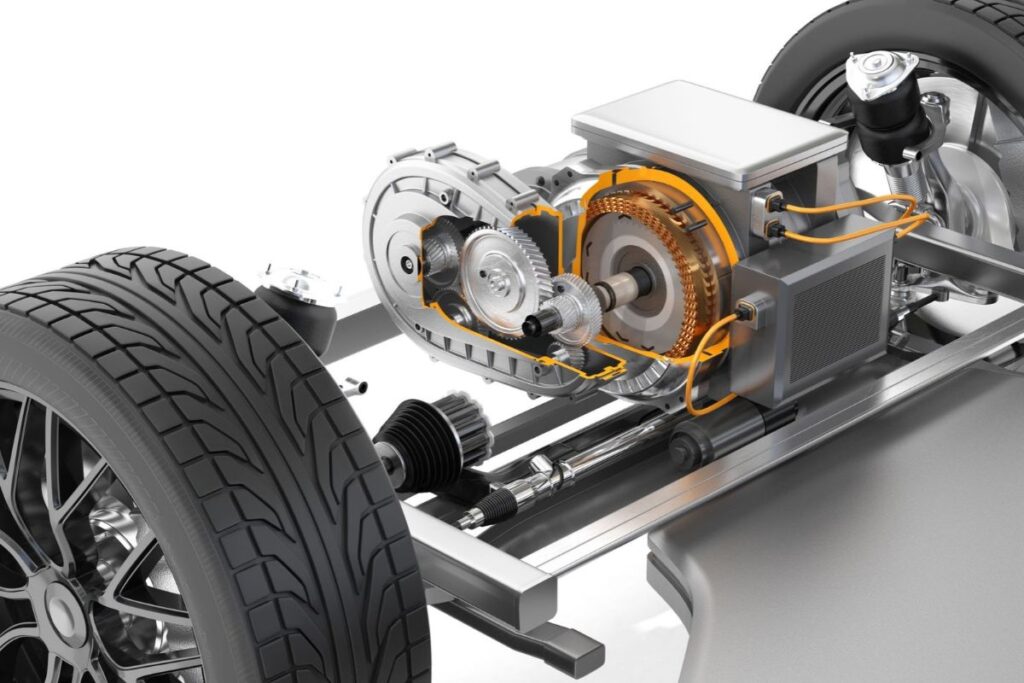
In a conventional strong hybrid or standard plug-in hybrid (PHEV), where the petrol engine can drive the wheels directly, electric-only range typically stops at 80–120 km. By isolating the petrol engine as a generator behind a larger battery pack, EREV designs qualify for the 3.0x compliance multiplier without building a pure battery car.
Automakers argue this layout solves an immediate charging bottleneck. Where highway fast chargers remain sparse, an EREV handles daily city commutes on grid power while eliminating the risk of running out of charge on intercity routes. Speaking after the CAFE 3 notification, Tata Motors Passenger Vehicles Managing Director Shailesh Chandra said in an industry reaction compilation that the framework provides the “clarity and predictability” needed to plan investments across electric mobility and other emission-reducing technologies.
How Much Do EREVs Save Automakers on Battery and Factory Costs?
Replacing 30 kWh to 40 kWh of battery capacity with an existing small-displacement petrol generator cuts roughly $3,000 to $4,000 in battery hardware costs per vehicle while keeping legacy engine factories productive. According to BloombergNEF’s annual battery price survey, global volume-weighted lithium-ion battery pack prices average $108 per kilowatt-hour, and $99 per kWh for automotive BEV packs, making the battery the costliest component in a long-range EV.
An EREV cuts that battery requirement roughly in half. In Stellantis’s multi-energy truck architecture, the pure-electric Ram 1500 REV requires a 168 kWh to 229 kWh battery pack, whereas the range-extended Ramcharger uses a 92 kWh pack paired with an onboard generator. In passenger SUVs, pairing a 30 kWh to 40 kWh battery with a downsized 1.0-liter to 1.5-liter petrol generator lowers upfront bill-of-materials costs while preserving assembly-line utilization.
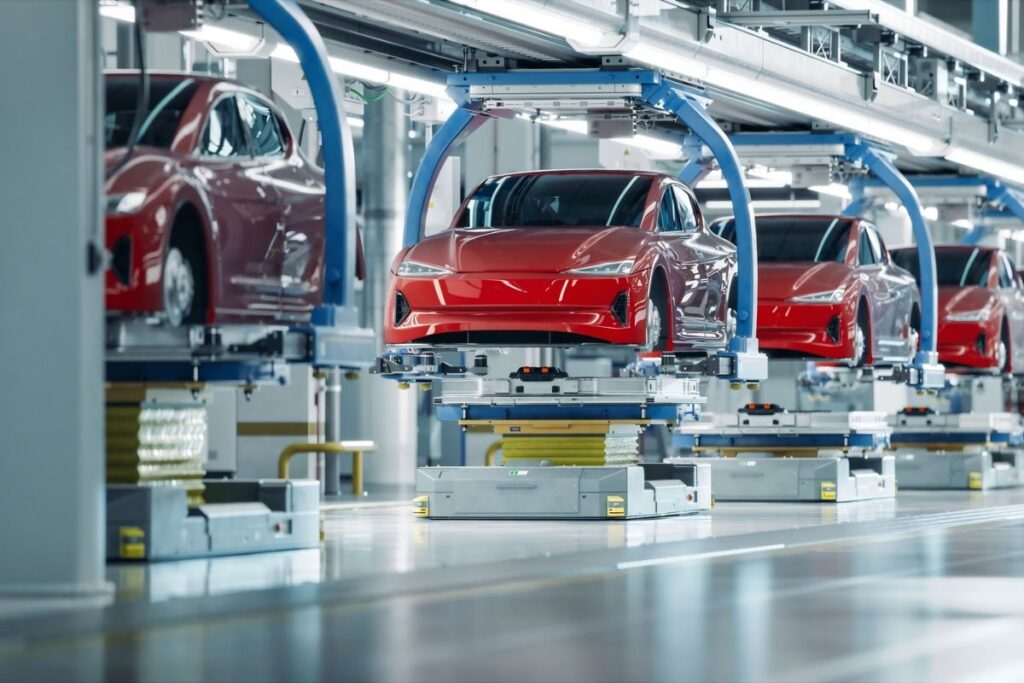
That substitution also protects sunk factory capital. As detailed in Stellantis’s Michigan multi-energy manufacturing filings and Tata Motors PV’s FY27 capex disclosures, legacy automakers continue allocating capital across shared internal-combustion, hybrid, and EV production lines rather than writing off billions in engine tooling.
Why Do Franchise Dealerships Prefer EREVs Over Pure EVs?
Franchise dealerships earn roughly 40% to 50% of their gross profit from after-sales service and parts, and EREVs retain the combustion components that pure EVs eliminate. According to Cox Automotive’s 5-year EV ownership analysis, average five-year servicing costs drop by £1,687, from £5,709 for petrol, diesel, and hybrid vehicles down to £4,022 for pure EVs, because battery cars need no oil changes, spark plugs, timing belts, fuel filters, or exhaust repairs.
Retail financial filings show how heavily dealer margins depend on those recurring visits. In AutoNation’s SEC financial filings, parts and service operations generated just 17% of total revenue but delivered 47% of total gross profit. Similarly, Landmark Cars’ FY26–H1FY27 investor filings show that after-sales service crossed ₹1,050 crore in annual revenue at a 41.2% gross margin, well above new-car sales margins, while preventive maintenance and general repair revenue per car ran 12% to 35% lower for EVs than for combustion models.
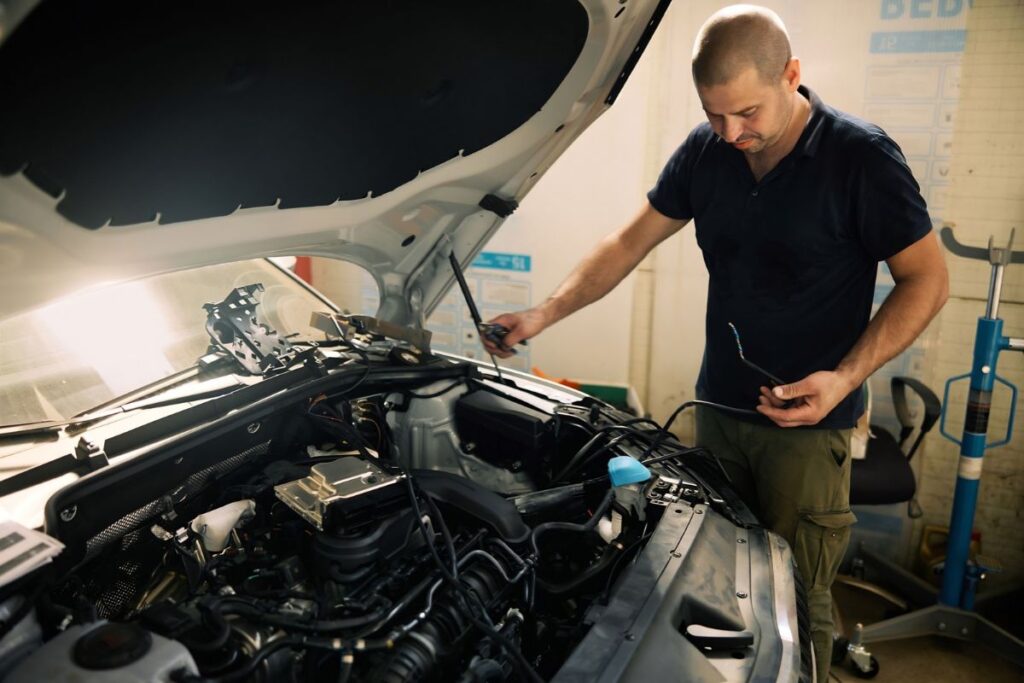
Because an EREV carries a petrol generator with cooling circuits, lubricants, and emissions hardware, it keeps routine preventive-maintenance revenue flowing through dealership service bays.
What Do EREV Buyers Actually Pay and Burn on the Road?
For buyers, real-world emissions and running costs depend on daily charging discipline rather than laboratory ratings. Data from the European Commission’s on-board fuel consumption monitoring (OBFCM) reports and International Council on Clean Transportation (ICCT) real-world studies found that real-world CO₂ emissions from plug-in hybrids averaged 3.5 times higher than official laboratory figures because owners drove on grid electricity for only a fraction of their total kilometers.
Fleet compliance formulas rely on standardized “utility factors”, regulatory assumptions about how many kilometers a driver covers on battery power versus petrol. To close the gap between lab tests and road use, Europe’s Euro 6e-bis emissions standard lengthened simulated test distances from 800 km to 2,200 km and lowered assumed electric driving shares, causing official CO₂ ratings on many plug-in models to double. General Motors CEO Mary Barra, in remarks on GM’s hybrid and EV roadmap, acknowledged that plug-in vehicles fail to deliver promised emissions cuts unless drivers consistently plug them in.
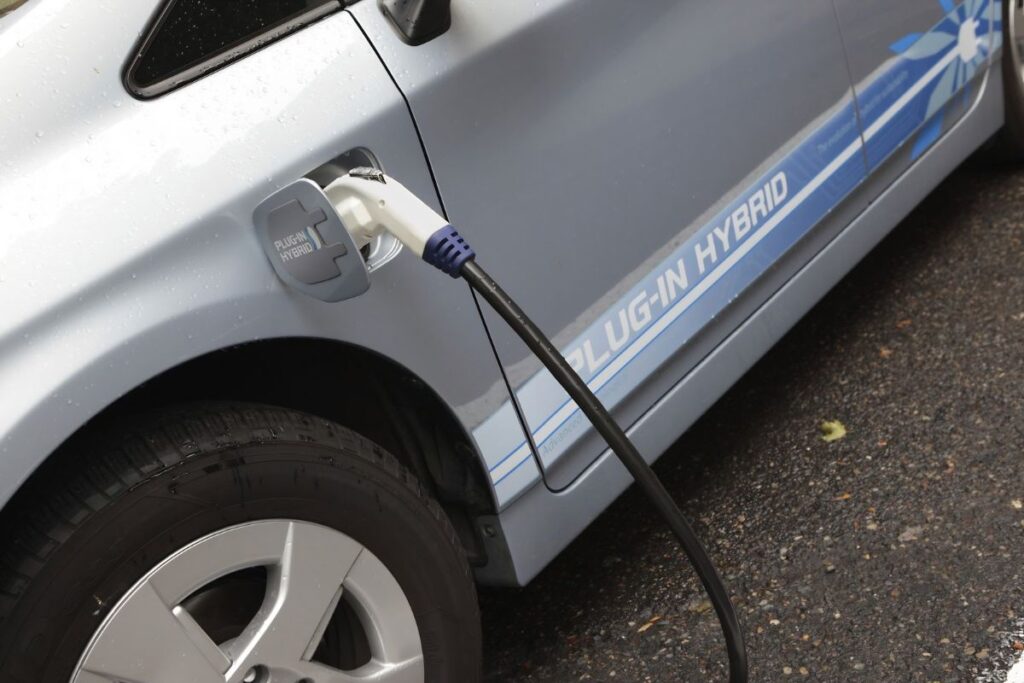
In India, buyers also face an unresolved tax split. Pure BEVs carry a 5% Goods and Services Tax (GST) rate and state road-tax waivers, whereas hybrids and combustion-equipped vehicles face GST slabs of up to 40%. Unless the GST Council extends concessional EV tax rates to range-extenders before April 2027, EREVs will deliver their largest financial gain on automaker compliance ledgers rather than on showroom price tags.
Frequently Asked Questions
Why do extended-range electric vehicles get the same compliance credit as pure EVs in 2027?
Under India’s CAFE 3 norms effective April 1, 2027, both pure battery-electric vehicles and Range-Extender EVs receive a 3.0x fleet credit multiplier because an electric motor drives the wheels full-time and the battery delivers roughly 200 km of electric range. By contrast, conventional plug-in hybrids receive a 2.5x multiplier and strong hybrids receive 1.6x.
How much money do EREVs save automakers on battery costs?
According to BloombergNEF battery price benchmarks ($99 per kWh for automotive BEV packs), downsizing from a 60–80 kWh pure EV pack to a 30–40 kWh EREV pack removes $3,000 to $4,000 in battery hardware costs per vehicle. Automakers pair that smaller battery with an already-amortized 1.0-liter to 1.5-liter petrol generator, keeping existing engine lines active.
Why do car dealerships earn more profit from EREVs than pure EVs?
According to AutoNation’s SEC filings and Landmark Cars’ investor disclosures, after-sales parts and service generate roughly 41% to 47% of dealership gross profit, while EV maintenance revenue runs 12% to 35% lower per vehicle. Because an EREV retains a petrol generator with oil, filters, and cooling circuits, it preserves routine service-bay visits that pure EVs eliminate.
Do extended-range hybrids emit more CO₂ in real-world driving than on paper?
Yes, European Commission OBFCM telematics and ICCT studies show that real-world CO₂ emissions from plug-in vehicles average 3.5 times higher than laboratory ratings when drivers fail to plug in daily. Europe’s Euro 6e-bis rule extended test distances from 800 km to 2,200 km to account for that gap.