






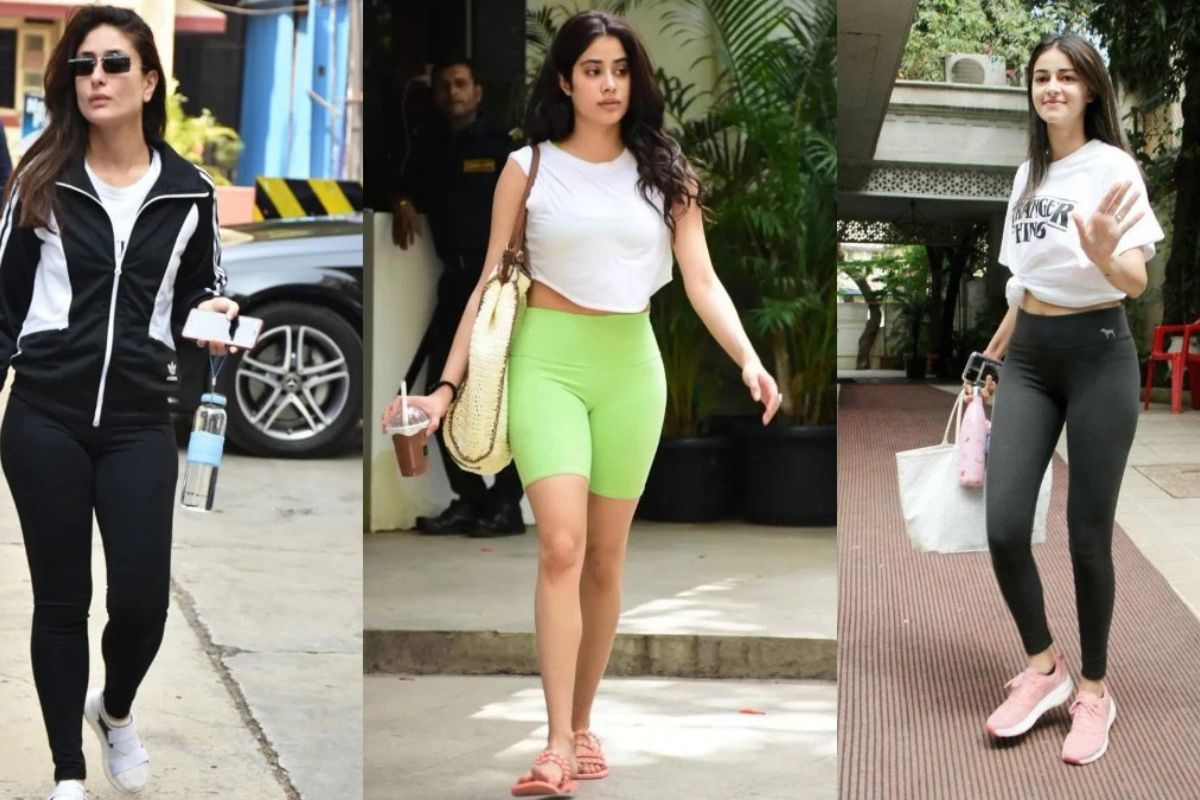
Despite the “Make in India” marketing from domestic direct-to-consumer (D2C) brands, Indian activewear fabrics are predominantly imported from China and Taiwan. India’s traditional textile hubs handle cut-and-sew garment assembly, but they currently lack the domestic extrusion infrastructure required to manufacture high-end moisture-wicking polyester and spandex performance yarns.
How Much Indian Activewear Fabric Is Actually Imported?
India imported $290.2 million worth of synthetic textiles under HS code 5407 in 2024, with the vast majority originating from China.
The raw materials fueling India’s activewear market arrive through international shipping ports before they reach local factories. Customs data tracks these shipments under Harmonized System (HS) code 5407, a standardized numerical method used by customs authorities to classify traded products, specifically covering woven fabrics of synthetic filament yarn.
According to trade analysis by the Confederation of Indian Textile Industry (CITI), China remains the dominant origin point for these imports. The data shows China accounts for 43.2% of all Indian textile and apparel imports.
Why Can’t Tirupur Spin Synthetic Performance Yarn?
Producing moisture-wicking activewear requires synthetic polymer extrusion, a completely different manufacturing process from traditional cotton spinning, which Indian hubs lack the specialized machinery for.
India possesses a massive domestic textile industry, anchored by cotton manufacturing hubs like Tirupur and Ludhiana. However, industry tracking shows that Tirupur lags significantly behind China in Man-Made Fibre (MMF), fibers whose chemical composition and structure are significantly modified during the manufacturing process.
Domestic producers face technology gaps, high raw material costs, and capacity constraints that limit their ability to compete globally. Without this specialized machinery, domestic factories cannot spin the performance yarn required for high-end activewear. They operate primarily as assembly units for the synthetic sector, stitching together fabrics imported by local textile wholesalers.
Where Do D2C Brands Actually Source Their Fabrics?
Wholesale suppliers confirm they import and supply performance activewear fabric directly to Indian brands, bypassing domestic yarn production entirely.
This manufacturing reality contrasts directly with the marketing strategies of prominent direct-to-consumer (D2C) activewear labels. A D2C brand is a company that builds, markets, sells, and ships its products directly to the buyer without relying on traditional retail intermediaries. These companies often leverage a domestic manufacturing narrative to appeal to Indian buyers.
However, wholesale suppliers like Clothwala confirm they supply imported performance activewear fabric directly to D2C brands. These brands then use Indian garment factories in hubs like Bangalore, Chennai, and Noida purely for cut-and-sew assembly operations.
When contacted regarding their sourcing practices, major Indian D2C activewear brands justify importing by arguing that India lacks the specialized infrastructure for high-end synthetic extrusion. They maintain their strategy provides consumers with the best product while still creating domestic jobs in apparel design and garment assembly.
What Is the Vulnerability of India’s Activewear Boom?
Because the core performance fabrics powering the Rs 16,000 crore market originate overseas, domestic brands operate with significant supply chain and pricing exposure.
The Indian activewear market is currently valued at roughly Rs 16,000 crore. Supply chain analysts highlight that reliance on Chinese activewear manufacturing ecosystems dictates Indian brand margins.
The rigid constraints of minimum knitting weights and custom dye lot minimums mean Indian brands are locked into overseas pricing structures. Any disruption in East Asian synthetic yarn exports immediately alters the unit economics for an Indian brand selling a Rs 1,500 pair of leggings.
Frequently Asked Questions
Where do Indian activewear brands get their moisture-wicking fabrics? Most Indian direct-to-consumer activewear brands import their synthetic performance fabrics from China and Taiwan. While the garment is stitched together in India, the actual technical yarn is extruded overseas.
Why doesn’t India manufacture its own synthetic activewear yarns? India’s textile manufacturing hubs, like Tirupur, are optimized for cotton spinning rather than synthetic polymer extrusion. Domestic producers lack the specialized machinery, raw polymer access, and economies of scale required to produce high-end moisture-wicking polyester.
What role do Indian factories play in the activewear supply chain? Indian factories primarily serve as assembly units for the synthetic activewear sector. They receive imported rolls of synthetic performance fabric from local wholesalers and perform the cut-and-sew operations to build the final garment.