






The Ministry of Home Affairs (MHA), the Unique Identification Authority of India (UIDAI), and superior courts across the country have reiterated a definitive constitutional and statutory boundary: Aadhaar cards, Permanent Account Number (PAN) cards, and voter ration cards do not constitute legal proof of Indian citizenship. While these documents serve as ubiquitous instruments for proof of identity (PoI) and proof of address (PoA), they carry zero statutory validity in establishing nationality under the Citizenship Act, 1955.
This clarification addresses widespread misconceptions regarding civil documentation, voting rolls, and law enforcement verifications. As codified under Section 9 of the Aadhaar (Targeted Delivery of Financial and Other Subsidies, Benefits and Services) Act, 2016, an Aadhaar number or enrollment acknowledgement confers neither citizenship nor domicile status upon the holder.
Statutory Breakdown: Why Primary IDs Fail as Proof of Nationality
Each foundational identity document in India was enacted under distinct statutory mandates that deliberately exclude the determination of citizenship:
- Aadhaar (Aadhaar Act, 2016): Aadhaar is an identification service designed for targeted subsidy distribution and financial inclusion. It is available to any individual who has resided in India for 182 days or more in the preceding 12 months, regardless of their nationality or immigration status. Foreign nationals legally residing in India on employment or student visas are routinely eligible for Aadhaar.
- PAN Card (Income Tax Act, 1961): Issued by the Income Tax Department under Section 139A, the PAN card is strictly a 10-digit alphanumeric tax-tracking identifier. Foreign corporate entities, Non-Resident Indians (NRIs), and foreign expatriates earning income in India are legally mandated to hold a PAN.
- Ration Cards (National Food Security Act, 2013): Administered by state civil supplies departments, ration cards represent socioeconomic welfare entitlements for targeted household food security. They verify local family composition and economic tier, not constitutional citizenship.
Judicial Precedents: High Courts and Supreme Court Rulings
The Indian judiciary has repeatedly upheld that the possession of state-issued identity documents cannot shelter an individual against proceedings under the Foreigners Act, 1946:
- Bombay High Court (State of Maharashtra v. Babulal & Others): The Court ruled that Aadhaar cards, PAN cards, and voter ID cards cannot be accepted as conclusive proof of citizenship, observing that electoral registration or biometric enrollment occurs on declared data rather than rigorous scrutiny of nationality documents.
- Patna High Court (Babita Kumari Case): The Court affirmed that an Aadhaar card is solely an identity token for government welfare delivery and does not establish Indian citizenship.
- Supreme Court of India Directives: The apex court directed UIDAI to print explicit disclaimers on physical cards and QR codes stating: “Aadhaar is a proof of identity, not of citizenship or date of birth.”
Identity Document vs. Citizenship Document: Legal Comparison
| Document | Primary Legal Purpose | Governing Act | Valid as Proof of Citizenship? |
|---|---|---|---|
| Aadhaar Card | Biometric Identity & Welfare Delivery | Aadhaar Act, 2016 | No (Statutorily barred under Sec 9) |
| PAN Card | Tax Compliance & Financial Tracking | Income Tax Act, 1961 | No |
| Ration Card | Public Distribution System (PDS) | NFSA, 2013 | No |
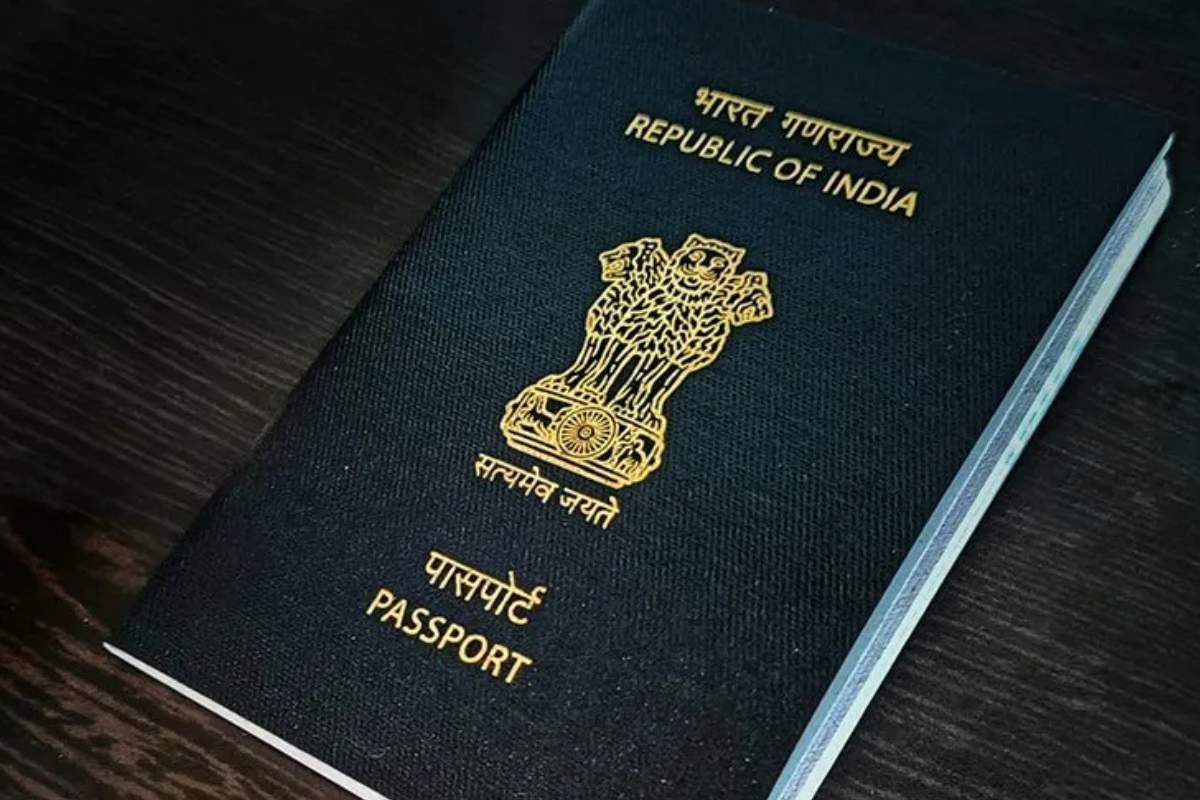
| Indian Passport | Travel Document & Nationality Proof | Passports Act, 1967 | Yes (Conclusive proof of nationality) |
| Birth Certificate | Vital Statistics Registration | RBD Act, 1969 & Citizenship Act, 1955 | Yes (When meeting Section 3 criteria) |
What Actually Proves Indian Citizenship?
Under the Citizenship Act of 1955, citizenship is acquired via birth, descent, registration, or naturalization. Conclusive legal documentation includes:
- Valid Indian Passport: Issued exclusively to verified citizens under the Passports Act, 1967.
- Birth Certificate under Citizenship Parameters: Individuals born in India before July 1, 1987, are citizens by birth. Those born between 1987 and December 3, 2004, must establish that either parent was an Indian citizen at the time of birth. For births after December 3, 2004, both parents must be Indian citizens, or one a citizen and the other not an illegal migrant.
- Certificate of Naturalization or Registration: Issued by the Ministry of Home Affairs pursuant to formal citizenship grant proceedings.
Related Policy and Governance Analyses
The tightening integration of biometric authentication across civil life continues to reshape citizen interactions with state machinery. To understand how digital verification mandates are impacting key public sectors, read our detailed reports on the Indian Railways mandatory Aadhaar ticketing protocols and the regulatory exemptions established in the CBSE Aadhaar waiver framework for overseas institutions. Furthermore, explore our overview of the overhaul of national postal and civil verification infrastructure.
Frequently Asked Questions
Can a foreign national legally obtain an Aadhaar card?
Yes. Any foreign national residing in India on a valid long-term visa (such as an employment, student, or research visa) who has stayed in the country for at least 182 days in the preceding 12 months is legally eligible to apply for an Aadhaar number for utility and domestic financial access.
Does an Indian Voter ID (EPIC) prove citizenship?
While Section 16 of the Representation of the People Act, 1950 states that only citizens are eligible to be enrolled in electoral rolls, judicial rulings have established that an Electoral Photo Identity Card (EPIC) creates a rebuttable presumption of citizenship but does not serve as conclusive, unimpeachable proof of nationality during citizenship inquiry proceedings.