






Indian shipyards cannot build Norway’s zero-emission vessels to hit Prime Minister Narendra Modi’s 25% target without importing over 70% of high-tech marine components and expanding drydock capacity. While Indian yards excel at steel hull fabrication, they lack domestic suppliers for green propulsion technology, cryogenic fuel handling systems, and local Scandinavian-certified inspectors.
What Separates Steel Hulls from Norwegian Green Ship Systems?
A modern short-sea cargo vessel-a merchant ship designed for regional coastal transport rather than open-ocean voyages-or a hybrid ferry operates less like a simple floating hull and more like a complex digital power plant. Detailed technical analyses of vessel bills of materials show that high-value power and propulsion systems account for the overwhelming majority of total ship construction costs.
While Indian shipbuilders possess skilled labor and low-cost steel fabrication capacity, zero-emission ship manufacturing relies on advanced system integration. Vessels using zero-emission propulsion require ammonia, liquid hydrogen, or battery-electric power architectures. Domestic Indian manufacturers do not currently build these system components at commercial scale, according to sector studies published by the Ministry of Ports, Shipping and Waterways.
“India has established strong credentials in heavy structural welding and basic hull construction,” says a senior technical officer at the Society of Indian Shipbuildina commercial repair Industry. “However, the high-value systems that turn a hull into a Norwegian-spec green vessel-automation, power management, and specialized propulsion-are almost entirely foreign.”
Because these specialized propulsion systems represent the majority of a zero-emission vessel’s financial value, building the vessel in India does not mean the core green technology is manufactured domestically.
Why Does Scaling Norwegian Shipbuilding in India Benefit European Tech Vendors?
Expanding Indian deliveries for Norwegian vessel owners from 10% to 25% of fleet orders will primarily drive order-book growth for European equipment suppliers rather than Indian manufacturers. More than 70% of the financial value in green-propelled vessels constructed in Indian shipyards for Scandinavian owners consists of imported European technology, according to trade data tracked by the Directorate General of Commercial Intelligence and Statistics.
When an Indian shipyard signs a contract for an advanced Norwegian vessel, the yard operates primarily as a structural assembler. Official financial disclosures and investor presentations from major Indian shipyards, such as state-owned Cochin Shipyard Limited, confirm that domestic value addition remains concentrated in hull welding, piping installation, and basic electrical wiring.
As a result, increasing India’s share of Norwegian green vessels transfers a large portion of contract capital directly back to Scandinavian and European equipment vendors like Wärtsilä, Kongsberg, and Brunvoll.
What is India’s Current Baseline in Building Ships for Norway?
The existing industrial foundation between India and Norway centers on reliable, lower-emission conventional vessels and small-scale electric craft.
According to delivery records from the Norwegian Maritime Authority, Cochin Shipyard Limited delivered two autonomous electric barges to Norwegian logistics firm ASKO Maritime in 2022. Cochin Shipyard Limited has also secured construction orders for 3,800 deadweight tonnage (DWT) dry cargo vessels for Wilson ASA, a major Norwegian shipping operator.
These completed projects demonstrate that Indian shipyards deliver high structural quality on schedule. However, these vessels represent small-scale coastal designs rather than high-tonnage ocean-going vessels requiring deep-water handling and complex cryogenic fueling infrastructure.
What Physical and Certification Bottlenecks Hold Back Indian Shipyards?
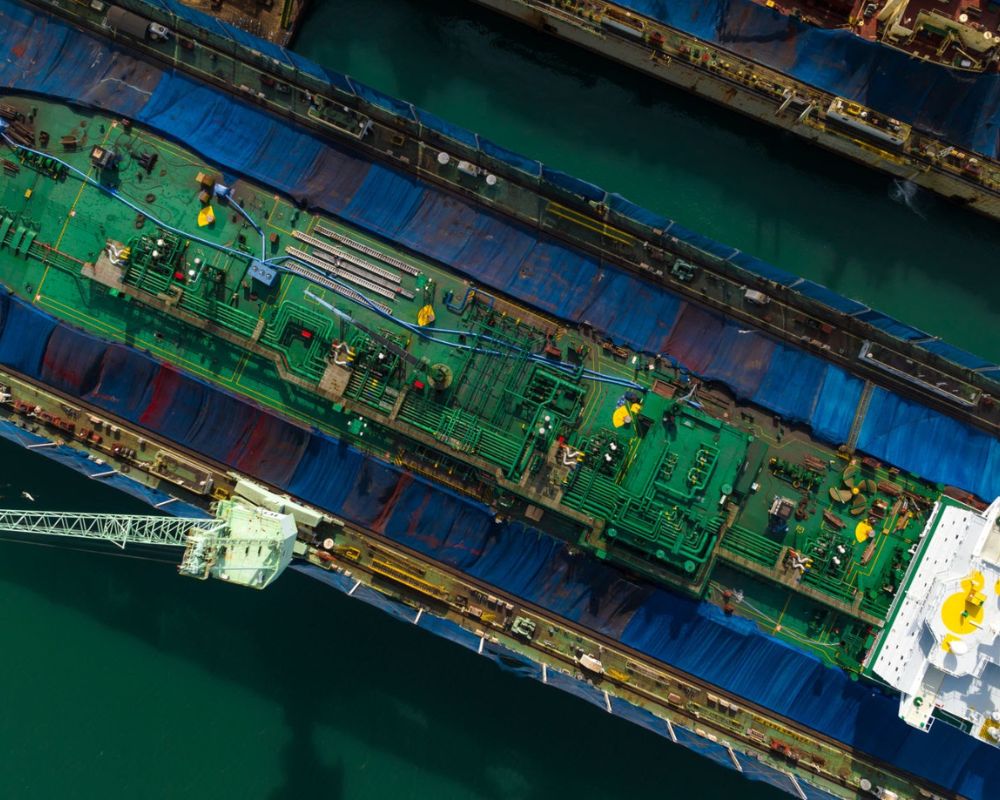
Physical shipyard limits and a shortage of accredited technical inspectors create immediate operational hurdles to scaling up production for larger Norwegian fleets. Building large-scale zero-emission vessels requires deep-draft drydocks-enclosed basins where water can be pumped out to allow the construction and repair of ships below the waterline-high-capacity gantry cranes, and specialized containment facilities for volatile alternative fuels like ammonia and liquid hydrogen.
Most active Indian yards operate docks built for smaller commercial hulls or conventional naval vessels, a physical bottleneck highlighted in maritime development blueprints published by Invest India.
Furthermore, technical compliance creates an administrative barrier. According to industry training records, India faces a shortage of locally based marine technical surveyors certified by Det Norske Veritas (DNV)-an international classification society headquartered in Høvik, Norway, to audit hydrogen and ammonia fuel systems during construction.
“You cannot launch an advanced green ship without real-time, step-by-step class certification,” says an Indian Register of Shipping technical auditor. “If a yard must fly in specialized DNV surveyors from Europe for every fuel-line audit and high-voltage test, project timelines extend and overhead expenses increase rapidly.”
Without an expanded local network of certified green-tech inspectors, production cycles slow down and overall vessel costs increase.
Why Does the Shipbuilding Financial Assistance Scheme Struggle with Green Ships?
India’s primary policy tool for the sector, the Shipbuilding Financial Assistance Scheme (SBFAS) administered by the Ministry of Ports, Shipping and Waterways, provides financial subsidies based on a fixed percentage of total contract cost, but high customs duties on imported green machinery diminish these gains.
Because over 70% of a green ship’s high-tech machinery must be imported from abroad, Indian shipbuilders pay customs tariffs and international freight on components before receiving the backend subsidy. The financial incentive designed to lower domestic manufacturing costs gets absorbed by import duties and logistical overhead, as shown in tax and tariff schedules maintained by the Central Board of Indirect Taxes and Customs.
Until domestic suppliers produce certified marine-grade green propulsion systems inside India, expanding the 25% target will test both yard capacity and contractor margins.
Frequently Asked Questions
Can Indian shipyards build zero-emission Norwegian green vessels today?
Indian shipyards can assemble basic electric hulls and feeder vessels, but they rely on European suppliers for over 70% of the advanced green technology components, including hydrogen propulsion and battery automation systems.
What is the primary bottleneck preventing Indian shipyards from reaching PM Modi’s 25% Norwegian vessel target?
The primary bottleneck is a structural lack of domestic green marine component manufacturers, combined with physical drydock constraints and a domestic shortage of Scandinavian-certified technical surveyors from bodies like Det Norske Veritas (DNV).
How does the Shipbuilding Financial Assistance Scheme (SBFAS) impact green vessel construction?
While SBFAS provides a percentage-based financial subsidy on total vessel cost, high import duties and freight charges on imported Scandinavian propulsion machinery absorb much of the benefit for high-tech export ships.
Upgrading Indian maritime and engineering shipyards requires green technology integration similar to domestic clean energy initiatives; see our analysis on India’s solar panel manufacturing and supply chain push and export carbon standards under the EU CBAM carbon tax.