






New Delhi— This Friday in the Lok Sabha, the stakes were high, and the rhetoric was even higher.
The Lower House has passed the Health Security and National Security Cess Bill, 2025, which changes the way India taxes its most controversial industry in a big way. You might have seen this coming if you’ve been paying attention to the recent financial shocks. But for the average person or the pan masala maker, the effects are huge.
The bill, which passed after a loud debate, gives the Centre the power to charge a special cess on pan masala manufacturing units. What is the goal? To do two things at once: improve the country’s defense and pay for important public health infrastructure.
“Money can be used for anything, but collecting taxes is right,” said Finance Minister Nirmala Sitharaman, skillfully deflecting concerns from the Opposition benches. She made it clear that “sin goods” need to pay their fair share in a world where geopolitical threats are growing, and health systems are under stress.
But this isn’t just a new tax. The rulebook is getting a complete makeover.
The Core Change: Capacity-Based Taxation
The main change is that the machine will be taxed instead of the sales.
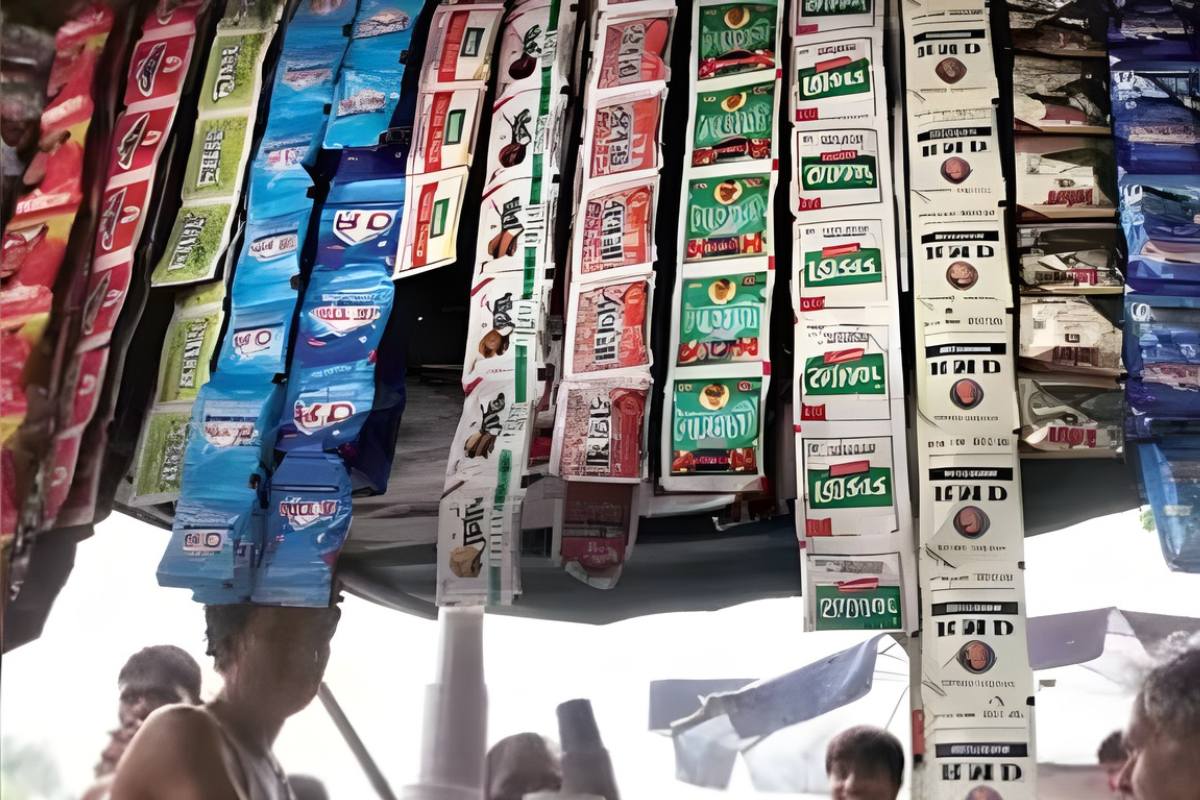
The pan masala business is well-known for being hard to tax.
For a long time, the government has had trouble with underreporting. Manufacturers would say they made “X” amount of goods, but the market was full of “3X.” It was a typical game of cat and mouse. The new Bill changes everything. The taxman will now ask, “How much could you make?” instead of “How much did you sell?”
The tax is based on capacity.
Its goal is the machinery itself. The new framework says that the cost is based on the packing machines’ maximum rated speed (how many pouches they can make per minute) and the price of the product at retail.
The Nitty-Gritty of the Rates:
- High-Speed Machines: A unit that runs a machine that packs up to 500 pouches per minute (with a pouch weight of up to 2.5g) has to pay a monthly cess of about ₹1.01 crore.
- The Heavy Hitters: For machines that pack more than 10g of pouches per minute (1,001–1,500 pouches/minute), the tax goes up to an incredible ₹25.47 crore per month.
- Manual Units: People who try to get around machines by doing things by hand aren’t off the hook either. They have to pay a flat fee of ₹11 lakh per month.
Sure, it’s a blunt tool. But the government says it’s the only way to stop the leaks in a sector where people are always trying to get away with things.
Why Now? The GST Compensation Cliff
You need to go back to 2017 to understand why this is happening today.
States were scared of losing money when the Goods and Services Tax (GST) was put into place. The “GST Compensation Cess” was a temporary tax on luxury and sin goods that the Center put in place to make up for any shortfalls.
That safety net is about to go away.
The government was at a “fiscal cliff” because the compensation period ended in March 2026, and the loan payments ended in December 2025. If the Compensation Cess went away, the tax on pan masala would go down a lot.
During the debate, Sitharaman joked, “No member would want a lower tax on pan masala.” And she’s right. Politically, lowering the price of “demerit goods” is not an option.
This is how the “Health Security and National Security Cess” came to be. It effectively takes the place of the old Compensation Cess, making sure that the tax burden stays high, at the new 40% GST slab plus this new cess.
The “Health” and “Security” Story
Isn’t it interesting how this bill is branded?
Most of the time, tax bills have boring, useful names. But what about “Health Security” and “National Security”? That’s a statement. It clearly connects the personal sin of eating pan masala to the national virtue of protecting the country.
The Finance Minister was honest about the “Security” part during the debate. She talked about the defense gaps of the past, saying, “Army Generals have said that because of budgetary constraints from the early 1990s, the army was only holding 70–80 percent of the weapons it was supposed to.”
The government is trying to protect the tax from criticism by setting aside these funds for defense. After all, who would want to argue against giving money to the army?
The reasoning is more conventional when it comes to “Health.” Pan masala is bad for your health, so it should pay for health infrastructure. Sitharaman said that health is a state issue, but the Center gives these funds back to states through several centrally sponsored programs.
The “Cessification” Debate: The Other Side Says It’s Not Fair
But not everyone is buying the pitch.
Voices from the TMC and DMK led the Opposition in a storm over what they call the “cessification of the economy.”
Here’s where the problem is: Divisible Pool vs. Cess.
- Normal Taxes (Income Tax, Excise): These go into a pot that states share directly (41% goes to states).
- Cess: This goes straight to the Center for a certain reason. States do not automatically get it.
Opposition members said, “Public health is a State subject,” and they said that the Centre is keeping money that should belong to the provinces by using a Cess instead of a regular tax.
Sitharaman’s response was technical but strong. She referred to Article 270 of the Constitution, which gives Parliament the power to set a cess for certain reasons. She also gave a lot of numbers, saying that the government collected about ₹6.49 lakh crore in health and education cess between 2014–15 and 2025–26 and then gave back about ₹6.07 lakh crore for those same purposes.
“It’s not that we take cash and don’t give money to states,” she said.
The Return of “Inspector Raj”?
If you go to a pan masala factory tomorrow, the mood will probably be tense.
People are worried that strict enforcement will come with the change to a capacity-based tax. The Bill gives tax authorities a lot of power. They can do surprise checks, lock up machines, and take records to make sure that the “declared capacity” is the same as the “actual capacity.”
Some MPs who wanted the Bill to go to a Select Committee are worried that this will bring back the “Inspector Raj,” when bureaucrats have a lot of power over businesses. The costs of compliance could be very high for small manufacturers.
Do you still have to pay the cess if a machine is broken? The Bill does say that a factory can get “abatement” (tax relief) if it is closed for a long time (like 15 days), but the manufacturer has to prove it.
The Bigger Picture: A Tax on “Sin”
This law is next to the Central Excise (Amendment) Bill, 2025, which was also talked about this week. That bill is about cigarettes and tobacco.
They all point to the same policy: Sin Goods will keep the State going.
The government is being very strict. You will have to pay more if you make things that are bad for people’s health. And that extra money won’t just go into the general budget; it will be tagged, tracked, and (theoretically) used to fix the problems that the products cause or to protect the borders.
It’s a moral argument that also makes financial sense.
What Comes Next?
The Bill is now going to the Rajya Sabha after passing the Lok Sabha. Because of the government’s numbers and how hard it is to oppose a “National Security” bill, it is likely to pass easily.
The new government starts once the President gives the go-ahead.
The price of that pouch of pan masala is likely to go up, or at least stay high, for the customer. It gives the government a steady stream of money at a time when the old one was running out. And what about the business? Well, the days of being able to fly under the radar are over.
One thing is clear as the winter session goes on: the taxman is getting stricter, and he’s bringing a calculator that counts pouches per minute.