






How a historic deal is opening up new legal options for working abroad
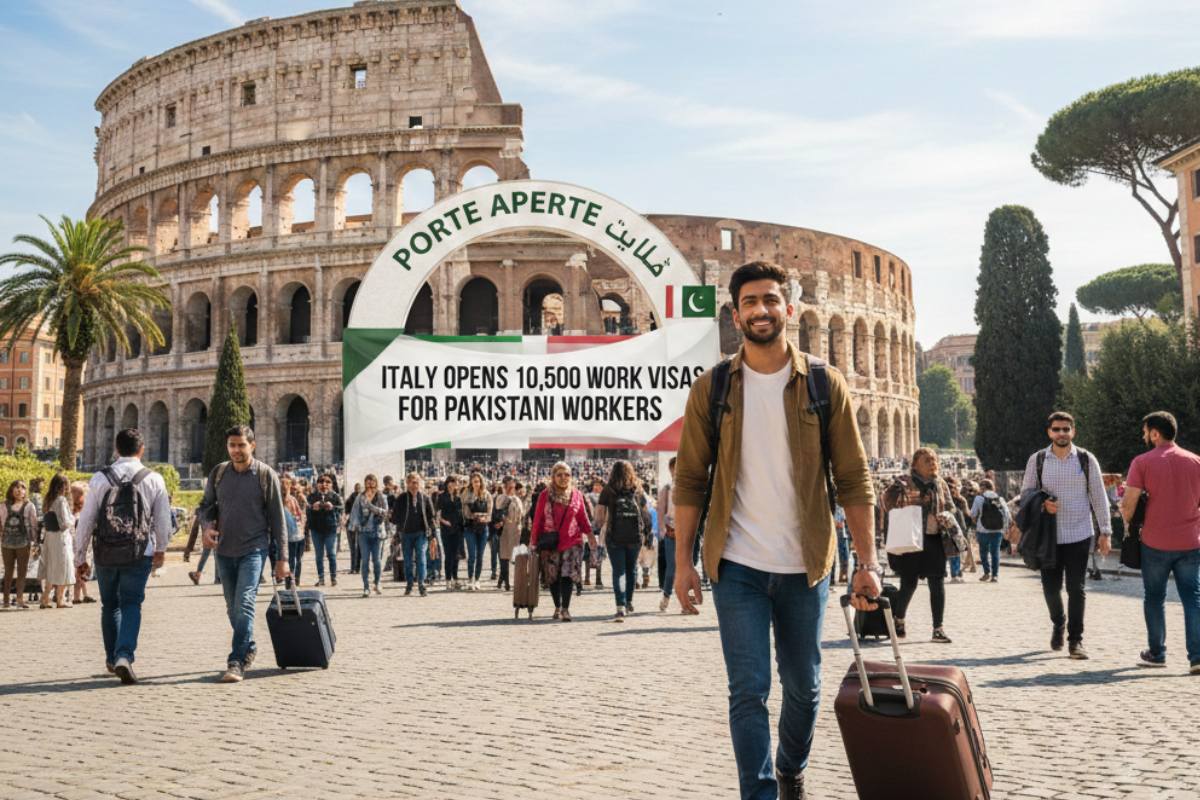
Italy has officially agreed to give more than 10,000 job opportunities to Pakistani workers over the next three years. This structured employment quota could change migration patterns that have been in place for decades. Experts say it is a major step forward in making it easier for South Asians to move to Europe for work.
It seems like it should be easy. But if you look more closely, you’ll see that this deal isn’t just about the numbers. It’s about letting people from other countries who want to work in Europe do so in a way that is safe, legal, and supported by the government, rather than risky or illegal.
A historic labor quota deal between Italy and Pakistan
Brussels and Islamabad are far apart in terms of geography and economy, but this deal makes them closer in a very real way. Italy has officially given 10,500 jobs to Pakistani workers over the next three years because it has a constant shortage of workers in important industries.
Here’s how the deal is set up:
- This quota lets 3,500 Pakistani workers travel to Italy each year.
- About 1,500 of them will be seasonal workers, mostly in the service or agriculture sectors.
- The other 2,000 will have non-seasonal jobs, which are more stable and long-term.
In real life, this means steady rhythms of movement: not a one-time wave, but regular chances for workers to make a living abroad.
Sectors and job roles that Pakistani workers can do
The deal isn’t just for one small part of Italy’s job market. It actually covers many fields and has jobs for both skilled and semi-skilled workers. Some of these are:
- Shipbreaking and heavy industry jobs
- Hospitality and hotel services
- Healthcare support and nursing assistants
- Agriculture and farm work
- Technical jobs like welding, machine operation, and mechanical maintenance
- Service jobs like cooks, waiters, and housekeeping staff
- Medical technology support
Italy has a wide range of labor needs, and this quota reflects that across a wide range of industries.
Why This Matters: More Than Just the Numbers
Ten thousand five hundred jobs are just a number at first glance. But the situation makes it a lot more important.
Legal Ways to Move vs. Illegal Ways to Move
For years, many South Asian migrants, including Pakistanis, have tried to get to Europe by taking dangerous trips that often involved smugglers and put their lives in danger.
This deal, on the other hand, makes a state-endorsed, legal migration pathway that lets workers find jobs without having to take dangerous routes or worry about being arrested and deported all the time.
Pakistan’s Economic Situation
Remittances are a big part of Pakistan’s economy. They help millions of families and keep foreign exchange reserves stable. As unemployment rises and people have to deal with money problems at home, finding work abroad isn’t just helpful; it’s necessary.
The deal is about job numbers, but it also makes the economy back home stronger.
A first for Europe and a model for others
Italy’s share is important not just for Pakistan, but for Europe as well. Under a structured program, this is the first time a European country has set aside a specific number of jobs for Pakistani workers.
Chaudhry Salik Hussain, the Federal Minister for Overseas Pakistanis, called the agreement a “historic milestone” and pointed out that it came after years of diplomatic work.
Some people think that if this works, it could encourage other European countries to look into similar systems.
The Road Ahead: Putting It into Action and Keeping an Eye on It
The headline number, “10,500 jobs,” is just one part of the story. The real problem is making it go smoothly.
The Pakistan-Italy Joint Working Group on Labour Cooperation will meet again in Islamabad in February 2026. At that meeting, officials are expected to talk about important issues related to implementation, such as:
- Making hiring and visa processing easier
- Making sure workers’ rights and protections are upheld in Italy
- Matching workers’ skills with employers’ needs
- Keeping an eye on compliance with labor and immigration laws
The goal is to turn a diplomatic success into a model for long-term, sustainable labor mobility.
Behind the Numbers: Personal Stories and Bigger Trends
Italy already has a large and growing Pakistani diaspora, with hundreds of thousands of people living and working there. Many came through family connections or other ways that weren’t legal at the time, and later made their status legal.
The new agreement feels like both recognition and an opportunity for these families. It gives them a chance to see things more clearly and have fewer questions.
Behind every job quota are real people: young individuals who want to improve their lives, technicians seeking higher earnings, and families relying on remittances to cover their daily expenses, education, and healthcare.
This human layer, which is often hidden by numbers and headlines, is what makes the deal so important.
Looking Ahead: More European Involvement?
Many European countries are struggling to find workers in healthcare, hospitality, construction, and technical services. Their populations are getting older, and their workforces are getting smaller.
If Italy’s experiment with structured legal migration works, other European governments may do the same, which could open up even more opportunities for Pakistani workers and change the way people move around the region.
It wouldn’t happen all at once. But agreements like this one often start the slow, steady changes in labor mobility.
In short
Italy’s offer of 10,500 jobs to Pakistani workers is much more than the limit. It’s a diplomatic win, a change in policy, and a legally sound way to get to new chances.
If done right, it could change the way Pakistan and Europe work together in a big way. It could help Pakistan’s economy, protect migrants better, and open the door to a new era of organized global labor mobility.