






U.S. District Judge John Tunheim issued a preliminary injunction that effectively stopped a Department of Homeland Security (DHS) program that let lawfully admitted refugees be arrested without a warrant. The ruling puts an end to Operation PARRIS—Post-Admission Refugee Reverification and Integrity Strengthening—a program that led to the detention and transportation of dozens of refugees to places as far away as Texas. Tunheim’s 66-page opinion said that the government’s actions were an attempt to turn a system of promised opportunity into a “dystopian nightmare” of indefinite confinement.
This ruling is the first major legal block to a nationwide effort to “re-vet” hundreds of thousands of refugees who were let into the country in the last four years. The administration says these harsh steps are necessary because there is a lot of fraud in Minnesota. The court did not find any proof, though, that the people who were targeted were a security threat or had done anything illegal. The injunction gives the 5,600 refugees in Minnesota who don’t have permanent residency right now a break from what advocates call a campaign of state-sponsored intimidation.
The Ruling: Stopping the “Dystopian Nightmare”
It was both legal and philosophical for Judge Tunheim to criticize the administration. He talked a lot about how the government misinterpreted the Refugee Act of 1980. The government said that this law allowed them to arrest any refugee who had not gotten a green card exactly one year after they arrived.
It’s important to note that refugees have to wait a full year before they can even apply for permanent residency. This puts them in a strange situation where they could get arrested as soon as they qualify for the benefit they want.
What is the purpose of Operation PARRIS?
In early 2026, the DHS started Operation PARRIS to “re-verify” the status of refugees. It is aimed at people who have been in the U.S. for more than a year but have not yet gotten their Lawful Permanent Resident status. The program uses a certain legal interpretation to make arrests and detentions without a warrant during this time of change.
The court did not agree with the idea that the executive branch can take “unadjusted” refugees without a warrant or a specific charge. Tunheim stressed that these people are in the country legally. Before they got here, they went through years of strict vetting in both their home country and abroad. Because of this, the government can’t take away the Due Process and Fourth Amendment protections that come with legal admission on its own.
Operation PARRIS: A New Investigation or Revenge?
DHS started Operation PARRIS in early January 2026 to deal with “widespread immigration fraud” in the Minneapolis-Saint Paul area. The government pointed to “Operation Twin Shield,” an investigation from 2025 that allegedly found a 44% fraud rate in a sample of 1,000 cases. These results led to a larger effort to find the 5,600 refugees in Minnesota who haven’t yet changed their status to Lawful Permanent Resident (LPR).
How the One-Year Green Card Window Works
Refugees must apply for a green card after living in the US for a year, as is normal for immigration. But it seems that the current government has slowed down or stopped processing these applications. Because of this administrative freeze, thousands of people are now in “ghost status.” They are legally in the country, but they don’t have the physical green card that protects them from being deported.
The administration made the “unadjusted” status it used to justify the arrests, by putting these applications on hold. Court documents say that ICE agents used this technicality to go door to door. Reports say that agents used “ruses” to get refugees to leave their homes before putting them in shackles in some cases.
The “Texas Shuffle” and Its Effects on People
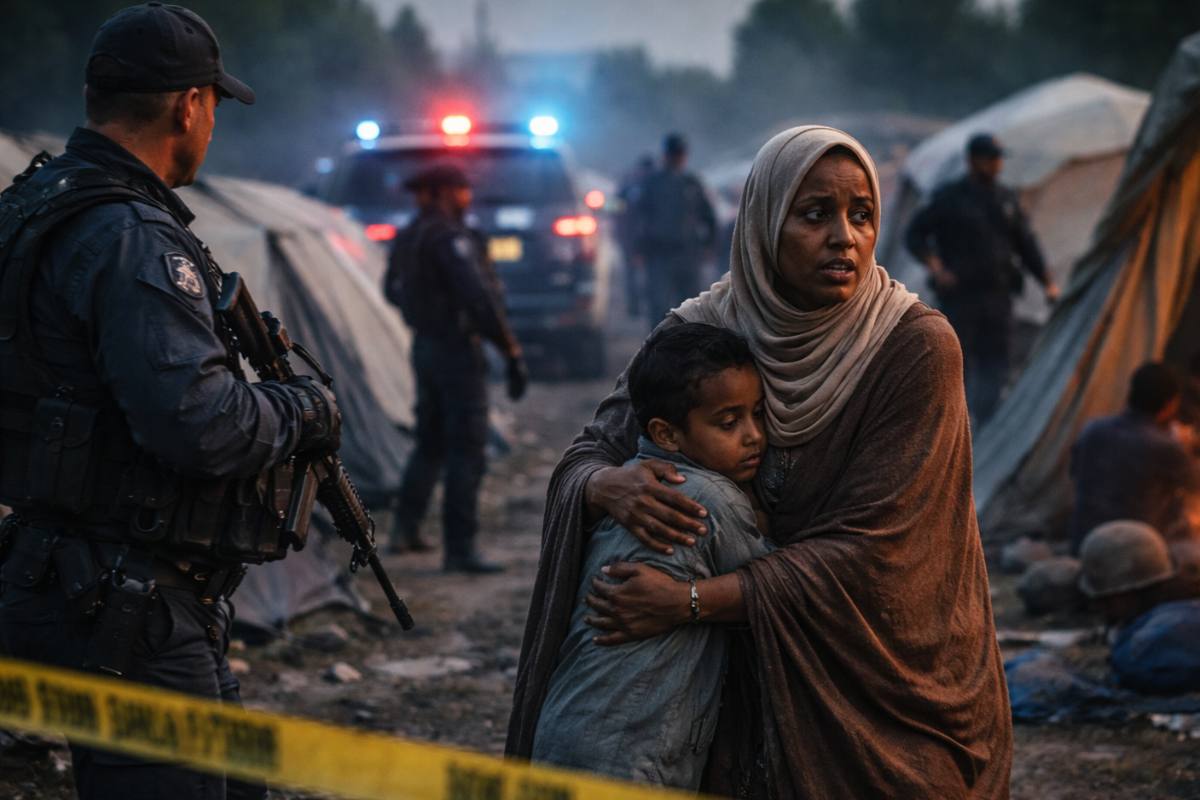
Many Minnesota refugees were not held in Minnesota after they were arrested. Instead, they were flown to South Texas detention centers. Lawyers from the International Refugee Assistance Project (IRAP) called these moves “statutory kidnapping.” These actions effectively cut off refugees from their lawyers and families. In addition, the detainees were put in places where they were forced to answer questions about their original stories of persecution.
The court’s decision was mostly about the human cost of these tactics.
- One of the things that people said was that a nursing mother was separated from her five-month-old child.
- In another case, a Somali refugee was thrown to the ground in front of his family.
For a lot of people who fled violence in countries like Myanmar or South Sudan, seeing armed federal agents was like going through trauma all over again.
The National Immigration Law Chessboard
The current injunction only affects Minnesota, but its effects are being felt all over the country. Just a few hours before the decision, DHS sent out a memo to all of its offices saying that it planned to use Operation PARRIS tactics on “tens of thousands” of refugees. The Minnesota case is a legal model for other class-action lawsuits that are now being filed in states like Massachusetts and Maine.
It seems like the administration plans to see how far it can push the limits of “enforcement discretion.” By going after a certain group of legal immigrants, they are questioning the long-held belief that entering the country legally gives you some level of permanent safety. If the 8th Circuit Court of Appeals or the Supreme Court eventually agrees with the administration, “refugee status” could change from a way to become a citizen to a temporary, revocable permit.
Some Republican lawmakers and other people who disagree say that the “re-vetting” is a smart security step. They say that the “immigration surge” of 2023-2024 shows that the system was too full. From this point of view, the arrests are not “terror,” but a strict check of the country’s borders and benefits.
Checking the “Fraud” Reason
The government has had a hard time proving its case because it hasn’t been able to show how the 5,600 people it targeted were involved in the fraud. DHS officials often talk about a study that found a 44% fraud rate, but they haven’t shown that any of the refugees arrested in January had done anything wrong.
Brantley Mayers, a lawyer for the Justice Department, said during the February 19 hearing that it was up to DHS to decide whether to make the arrest. This admission led Judge Tunheim to believe that the operation was not a targeted law enforcement action. It was a big change in policy that was made without Congress’s approval. The court said that none of the detainees were a flight risk or a threat to the community.
The End
The “Texas Shuffle” is on hold for now because of a temporary restraining order in Minnesota. However, the legal battle over Operation PARRIS is only just starting its second phase. The Trump administration is likely to ask for an emergency stay of Judge Tunheim’s order. This will probably send the case to the 8th Circuit, which is more conservative.
In the next few weeks, readers should keep an eye out for two things:
- Find out if the government is still processing green card applications for people in the “one-year window” or if they are purposely putting them on hold.
- See if other federal judges in other districts follow Tunheim’s lead or make a “split” in the circuits.
The next six months will show whether the “American Dream” is a real promise or just a temporary break for the thousands of refugees living in Minnesota.
Questions That Come Up a Lot
Does the court’s decision mean that Minnesota will stop all refugee interviews?
No. The court made it clear that USCIS can still do the one-year interviews that are required to change a refugee’s status to permanent resident. The government can’t arrest or hold refugees during this process unless they are charged with a specific crime, though.
Can refugees who were arrested during Operation PARRIS be let go?
Yes. Judge Tunheim had already ordered that all refugees held under the policy in Minnesota be released right away. He also said that people who were moved to Texas had to go back to Minnesota and be let go within five days.