







OpenAI has successfully hired Ruoming Pang, which means that he will no longer be working in Mark Zuckerberg’s “Superintelligence” team less than a year after he joined. The Information was the first to report the move, which is more than just moving resumes around. It is a planned attack in a growing “generative AI talent war” where the cost of one researcher is now equal to the GDP of a tiny island nation.
When Pang joined Meta in the middle of 2025, reports said his pay deal was worth more than $200 million. Most of this amount was linked to shares and long-term incentives. OpenAI must have done more than just match the money to get him to leave so swiftly. They probably offered a way to get closer to Artificial General Intelligence (AGI) that Meta couldn’t promise.
The Logic of the Raid: Why Infrastructure Is Important
To someone who doesn’t pay much attention, the headlines look like sports trades. But in Silicon Valley, this recruitment means that OpenAI is racing to tackle a specific problem: AI infrastructure.
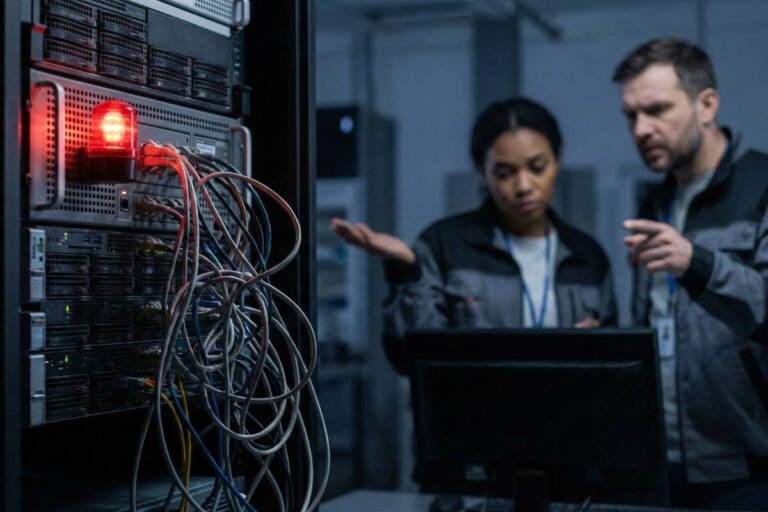
People are interested in chatbots and image generators, but the corporations that make them are fighting a struggle against physics. To train the next generation of models, like the reported GPT-5, you need to use hundreds of thousands of GPUs at the same time.
If the “plumbing” of these clusters isn’t ideal, billions of dollars worth of computing time is lost to heat and latency. Ruoming Pang is a great plumber.
He isn’t working for OpenAI to write poetry. They are recruiting him to make sure that their huge supercomputers don’t get stuck on their own data.
Who is Ruoming Pang?
Pang is an uncommon type of person in the industry: a “Systems-Aware Researcher.” Researchers devised algorithms and engineers constructed servers in the early days of deep learning. Today, those jobs are the same.
Ruoming Pang’s Career Path:
- Google: He worked on systems that recognize voice and learnt how to use AI on a global scale.
- Apple: He was in charge of the “Foundation Models” team. Tim Cook’s efforts to catch up in the generative AI race took a hit when he left Apple in 2025.
- Meta: He was a big deal in Zuckerberg’s “Superintelligence” lab. This unit was made to attract people who were good at their jobs but thought the main firm was excessively bureaucratic.
His resume shows how power has changed over the past ten years. He learned at Google, tried to create at Apple, was wooed by Meta, and finally ended himself at OpenAI.
The “Seven-Month” Signal
The most important thing about this story is how short Pang’s time at Meta was.
Companies like Meta set up pay packages with “vesting cliffs.” Most of the time, an employee has to stay at least a year before they can get any of their big stock grants. If you leave after seven months, you’ll lose a lot of money unless your new employer buys those unvested shares.
If OpenAI really did pay for his Meta package’s “sunk cost,” it means two things:
- Desperation: OpenAI requires senior infrastructure leadership right away, not in six months.
- Dominance: It backs up the story that OpenAI is still the “main character” in the business. Many of the best researchers desire to be the first to find the breakthrough. Even though Meta has made a lot of open-source contributions with Llama, OpenAI’s closed laboratories are still more important for people who want to create AGI.
The new “hardware” is software infrastructure.
Pang’s entrance comes at the same time as another big change at OpenAI: vertical integration.
OpenAI hired Caitlin Kalinowski, who used to be in charge of hardware for Meta’s AR glasses, to run robotics late last year. Now that they’ve brought in Pang, they’re protecting the layer that sits between the hardware and the AI model.
The business is doing a good job of developing a silo. They are the leaders in hardware and have ties with chip makers. Now they have the systems architect to make sure the training goes smoothly.
This makes them less reliant on outside providers. When a firm spends money at OpenAI’s rate, a 10% increase in training efficiency can save them hundreds of millions of dollars per year.
The Talent Hyperinflation
This decision also makes it necessary to have an uncomfortable talk about how long the AI talent market can last.
Right now, we are seeing “talent hyperinflation.” When one engineer is worth nine figures, it makes the market unfair for everyone else. It makes a class system inside big tech companies. AI researchers now have to follow a whole other set of economic norms than regular software programmers.
This is a painful loss for Meta, but not a deadly one. Zuckerberg has a lot of money and a lot of talented people on his staff, including Yann LeCun. But the mental effects are genuine. It shows that money alone can’t keep elite talent from leaving if they think the actual story is being told somewhere else.
Conclusion
OpenAI’s hire of Ruoming Pang is a strategic win in the “scaling” struggle that isn’t evident. The engineering needed to teach models is a lot tougher as they get bigger.
Keep an eye on Meta for the next six months. Will Sam Altman’s lieutenants be poached in revenge? Or will Zuckerberg stick to his open-source mindset to draw in researchers who don’t agree with OpenAI’s closed-door approach?
One thing is for sure: the time of the “lifer” engineer is over. When it comes to superintelligence, loyalty is just another thing to make better.
Questions That Come Up Often
Who is Ruoming Pang?
Ruoming Pang is a top AI infrastructure engineer who works on the systems needed to train huge foundation models. Before a short time at Meta, he worked at Google and led Apple’s Foundation Models team.
Why did Ruoming Pang move from Meta to OpenAI?
Even though the formal reasons are still secret, industry experts say that OpenAI offered a job that was closer to the front lines of AGI development. The move shows how badly we need experts who can handle the complicated “plumbing” of huge GPU clusters.
What is the “AI Talent War”?
The “AI Talent War” is the fierce competition for workers between big tech companies like Google, OpenAI, and Meta. Reports say that companies are giving pay packages of more than $10 million to $100 million to get the best researchers who can construct the next generation of AI models.