






For more than ten years, the most important thing about modern texting has been that it works on every device. You could sign up for a number, take out the SIM card, travel the world, and keep talking over Wi-Fi. WhatsApp SIM binding is putting an end to that time of digital freedom for India’s 500 million users.
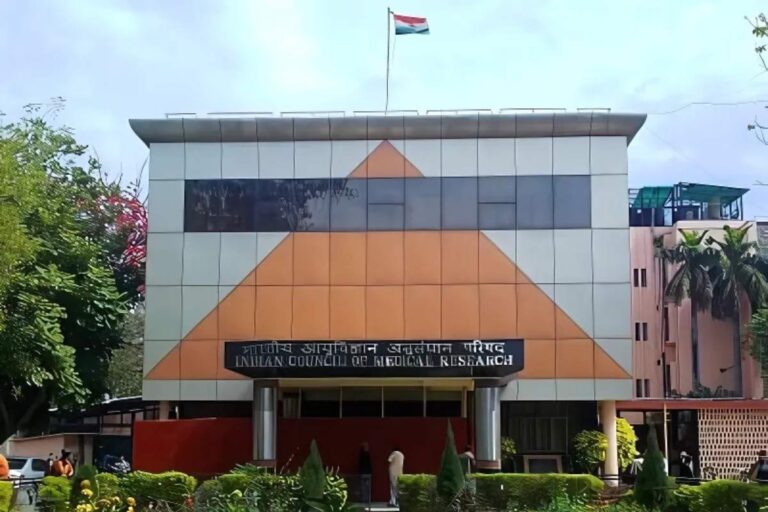
The Department of Telecommunications (DoT) has given Meta a strong order to change the authentication architecture of its flagship app. The order says that WhatsApp must change from a service that doesn’t depend on the cloud to one that does. This new protocol will make sure that the registered physical SIM card is always present in the device. The app won’t work if you take out the SIM.
This change is the last step in the government’s fight against cyber fraud. Officials want to go after “digital arrest” frauds and fake foreign calls that have been bothering Indian customers. The security goal is apparent, but the way it is being put into action is causing a lot of problems for millions of workers.
What Is WhatsApp SIM Binding?
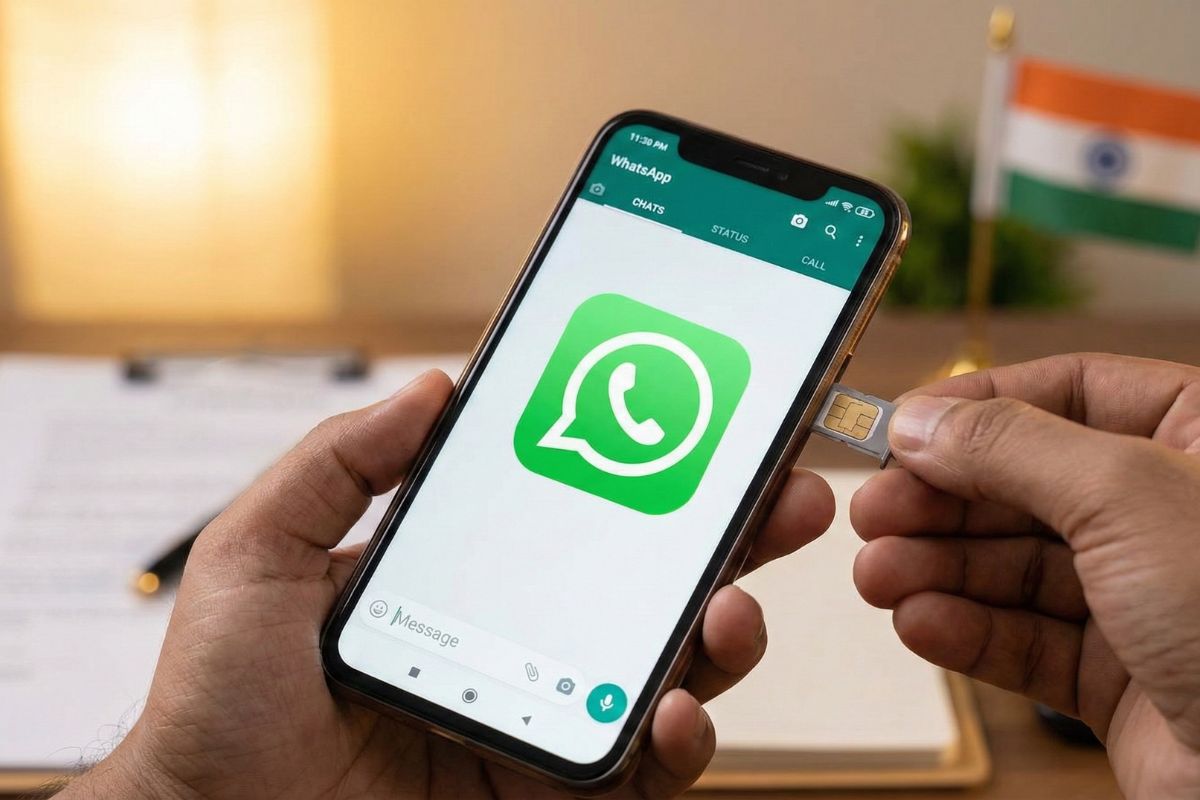
WhatsApp SIM binding is a security feature that connects a user’s account to their physical SIM card. The new system is different from the old one since it doesn’t use a one-time SMS verification to make a long-term login token. Instead, the app has to verify every so often to see if the SIM card that matches the registered number is actually in the phone. The app locks the user out if it can’t find the SIM.
Most people who use WhatsApp know about its security features through the six-digit One-Time Password (OTP). In the past, this OTP was a ticket that could only be used once. The program made a digital token when it was checked. This made it possible for the account to work without the SIM card. You may change SIMs or use a phone without one, as long as the first token was still good.
The new order from the DoT requires the usage of “Telecommunication Identifier User Entities” (TIUEs). In real life, the app now has to “shake hands” with the telecom network. It checks to see if the phone number matches the IMSI (International Mobile Subscriber Identity) of the SIM card that is in the tray right now.
This technique has been used by banking apps like Google Pay and Paytm for years. But there is an important difference. You open a payment app for a few seconds to finish a transaction. A chat program is always running in the background.
Engineers say that this frequent checking could use up batteries. The application needs to stay in an aggressive “keep-alive” state in order to constantly polling the SIM slot. This changes the app’s dependency from the internet layer to the hardware layer. It ties a person’s online identity to a certain piece of plastic.
The 6-Hour Rule: A New Problem for People Who Use Desktops
Changes to mobile occurs in the background. But associated gadgets will be the most affected by the disturbance. The directive is very clear about going after the “multi-device” capability. This functionality lets users utilize WhatsApp Web or Desktop even if their main phone isn’t connected to the internet.
The “keep me signed in” feature is being limited because of the new compliance framework. The DoT wants to stop scammers from linking a victim’s account to their own laptop so they may get into it without permission. To stop this, the mandate says that there must be a forced re-authentication window.
Current beta versions suggest a six-hour session limit.
- The Workflow Hit: People who use WhatsApp Web to share files at work will have to deal with the same problem over and over again.
- The Re-Scan: Users will probably need to scan the QR code again and again during a normal workday.
- The Lockout: If the primary phone is not nearby or has a dead battery, the desktop session will terminate.
This policy makes the desktop experience worse. It changes WhatsApp from a standalone productivity tool back into a basic “mirror” of the mobile device.
The Traveler’s Dilemma and “Roaming” Blackout
The most important effect of SIM binding that hasn’t been talked upon yet is on those who travel internationally. Every year, millions of Indians go abroad for work or fun. To avoid expensive international roaming fees, they usually trade in their Indian SIM cards for local Matrix, US, or EU SIMs.
Before, WhatsApp worked perfectly on the Indian number over the local data connection. If you take SIM binding very seriously, this method doesn’t work.
If the app sees that the registered Indian SIM has been taken out, the binding check will fail. The user has to make two hard decisions:
- Bring Two Phones: One phone must have the active Indian SIM card (probably on international roaming) just to keep WhatsApp working.
- Forget the Number: They need to link the WhatsApp account to the temporary overseas SIM. This makes it hard for contacts to find each other and breaks up chat history.
This limit also affects the “Wi-Fi Tablet” group of people. These people use “Companion Mode” to run their main WhatsApp account on an iPad or Android tablet that doesn’t have a SIM card slot. These secondary devices may have trouble keeping a persistent login unless technological exceptions are established.
The iOS Standoff: Privacy vs. Following the Rules
The operating system of Apple’s iOS is still a big technical problem. Apple has traditionally sandboxed its programs, whereas Android gives developers more freedom. It firmly bans them from reading unique hardware identifiers like the IMSI or ICCID to protect your privacy.
This puts Indian law on a collision course with Apple’s global stance on privacy. For WhatsApp SIM verification to work on an iPhone, one of two things has to happen:
- Apple needs to make a unique API exception for WhatsApp in India.
- Meta needs to find a way to figure out if a SIM card is present without directly accessing the hardware ID.
If neither side gives in, iPhone consumers could theoretically have a worse experience. As of the end of February 2026, neither Apple nor Meta has said publicly how they plan to close this gap. This leaves about 20 million iPhone customers in India unsure.
Will SIM Binding Put an End to Digital Arrest Scams?
The administration says they need to stop financial fraud right away. Law enforcement can find out where any user is by linking an account to a real SIM. It gets rid of the “virtual number” business, where criminals utilize VOIP services to make Indian numbers without anyone knowing.
Security experts say that this step makes it harder to get in, but it is not a “silver bullet.”
SIM binding works well to stop “remote account takeovers.” This is when a hacker takes your OTP and uses it to run your account from a different city. But it doesn’t talk about “mule accounts.” Many advanced scam groups use SIM cards that are lawfully registered. People routinely buy these in quantity using the names of workers who don’t know what they’re doing.
In these situations, the SIM is actually in the scammer’s phone. The check for SIM binding will work.
The precaution stops the equipment from being hacked, but it doesn’t stop people from being tricked into doing things. “Digital arrest” scams use video calls to scare and threaten people. They do not rely on the technical exploitation of the SIM card. If a scammer uses a real SIM card from a warehouse, SIM binding doesn’t give the victim any further safety.
The Move to a Verified Internet
WhatsApp’s use of SIM binding is a symptom of a bigger change in India’s digital policies. We’re going away from the open, anonymous internet and toward a “verified” internet.
This order is in line with the rules set out in the Telecommunications Act. The Act stresses Know Your Customer (KYC) rules for all types of communication services. The framework says that every digital discussion must be linked to a traceable cell subscription since it treats WhatsApp as a phone service.
The days of sending messages without a gadget are past for the user. The smartphone is no longer only a way to get to the cloud. It is a hardware key that must be present in order to unlock your digital identity.
Users should check their installations as the February deadline gets closer. Make sure that the SIM card that is actually in your phone’s tray is linked to your main WhatsApp account. If you use WhatsApp Web a lot, you need to get used to the fact that your work may be interrupted.
Questions and Answers (FAQ)
What is the new rule for WhatsApp that says you can’t bind your SIM?
The new rule is that your WhatsApp account must be cryptographically connected to the SIM card in your phone. WhatsApp will stop working if you take out the SIM card. This is to stop fraud.
Will WhatsApp Web still operate if I don’t have my phone?
Yes, WhatsApp Web will still work, but with some new limits. You will probably have to log out and verify your session again after six hours. This makes sure that you still have your main device (and SIM).
If I go abroad and change my SIM, can I still use WhatsApp?
If you change your SIM card, your Indian WhatsApp account may stop working. To keep chatting, you might need to leave your Indian SIM card in your phone (on roaming).